
PhD Writing Services in Biotechnology
Biotechnology doctorates mix wet-lab narrative, industrial context and, increasingly, computational methods. Examiners expect a methods section that another researcher could follow, figures that match the claims, and an honest account of what a gel, assay or pipeline can show. They also expect biosafety and ethics notes when the work involves organisms, human samples or dual-use techniques.
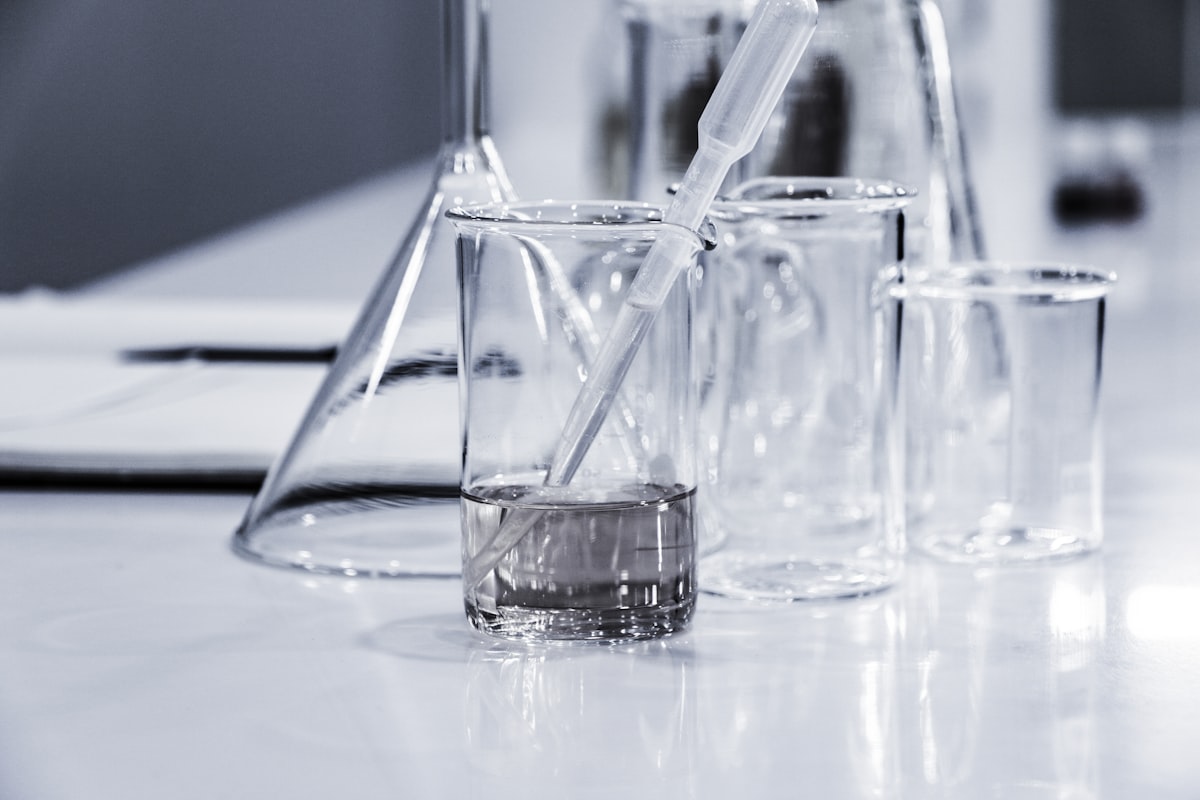
Support on this page is writing, structure and editing around the scholar’s own research. We do not operate a biotechnology laboratory, run assays, or claim exclusive expertise in molecular or industrial biotechnology. Experiments, strains and compute remain yours and your institution’s.
Typical documents include the proposal, a literature chapter that is not a textbook of molecular biology, methods assembled from your protocols, results that integrate images and tables, and a discussion that does not over-claim a product or a therapeutic implication.
Computational biology chapters need the same discipline as wet-lab ones: data, parameters, versions and limits. Mixing the two in one thesis is common; the writing has to keep which evidence came from which method.
If you already have a lab book, sequencer output or a conference paper, the useful task is to turn that record into chapters — not to imply facilities or experiments that were not part of your project.
What writing support can cover
Documentary help. We do not provide lab facilities, strains or sequencing services.
- Proposal text that states a biotechnological problem, scope and planned evidence
- Literature organised by organism, pathway, process or computational problem
- Lab-methods write-up from your protocols, with enough detail to be followed
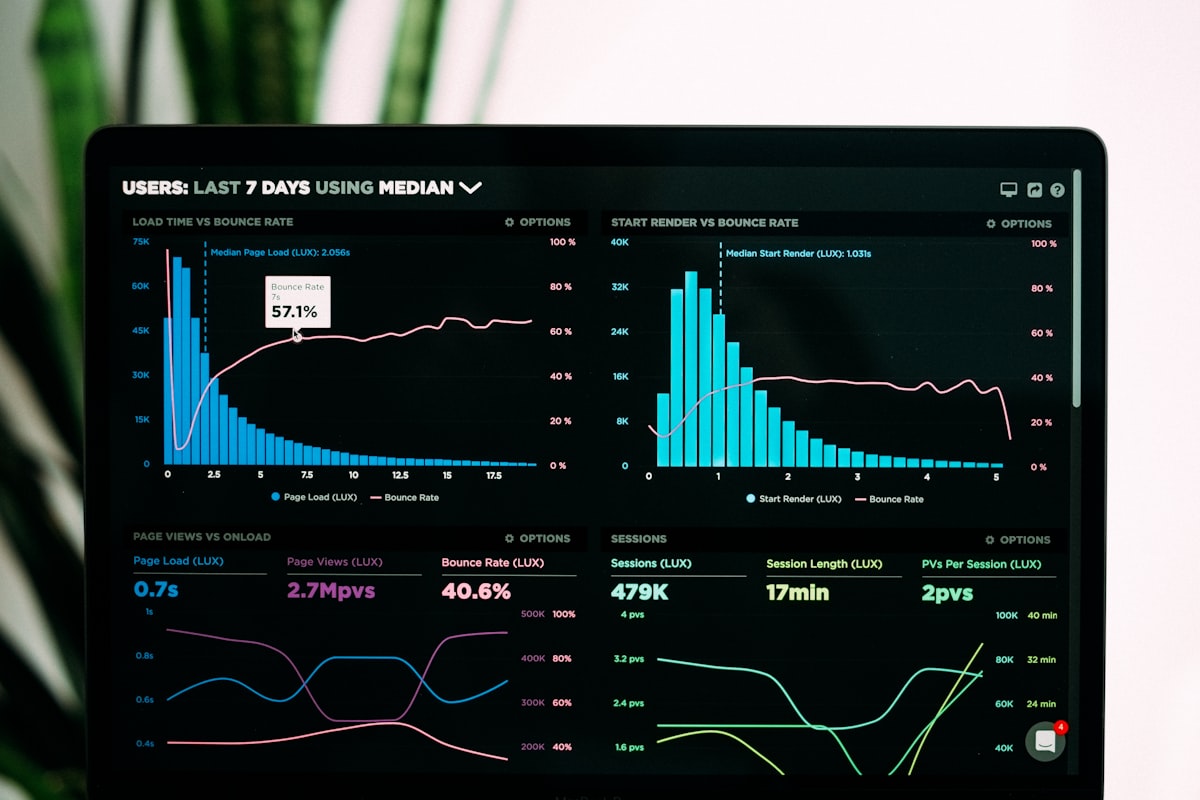
- Computational-biology methods and results narrative from pipelines you ran
- Results chapters that integrate figures, gels, tables and plots you supply
- Biosafety, ethics and sample-origin remarks placed where your guide expects them
- Editing of report-style drafts into thesis structure
- Formatting of captions, gene and protein names, and references to the style you name
Biotechnology researchers this usually fits
For biotechnology doctoral researchers whose experimental or computational work already exists.
- Molecular and cell-oriented projects that need protocols and figures written carefully
- Industrial or bioprocess studies presenting fermentation, scale or product-related data you collected
- Computational-biology and bioinformatics candidates writing methods and analyses they ran
- Scholars who must include biosafety or human-sample ethics language in the thesis
- Candidates converting papers into a monograph with consistent gene and figure naming
From protocols and figures to a coherent thesis
Inventory experiments and analyses
Assays, strains, datasets and pipelines you actually used are listed so the thesis cannot outrun the record.
Agree naming and structure
Gene, protein and organism names, chapter plan and citation style are fixed before long drafting.
Write methods from protocols
Wet-lab and computational methods are described from your notes. Missing steps are flagged, not invented.
Present results as evidence
Figures, gels, tables and computational output are ordered so each claim points to something you actually produced.
Scope implications and biosafety notes
Product, clinical or industrial remarks stay inside the data. Biosafety and ethics language is placed where your guide requires it.
Edit and format
Nomenclature, captions and references are aligned. You remain the author of the science.
Biosafety, sample origin and unused assays
Biotechnology programmes differ on monograph versus paper-based theses and on how much protocol detail belongs in the main text. Follow your department guide.
We do not claim laboratory facilities. Assays, instruments and organisms you did not use should not appear as performed work.
- Biosafety training, IBSC/IAEC or human-ethics approvals are yours to hold and to state
- Sequence, strain and patient-identifiable data should be handled under your institution’s rules before you share files
- Publication and product claims stay with the data and the reviewers
- Therapeutic or scale-up claims should match what you measured
Relevant research areas
These areas appear often in biotechnology doctorates. They are writing contexts, not a catalogue of in-house labs.
- Molecular biotechnology — cloning, expression, assays and related figure write-up
- Industrial biotechnology — bioprocess, enzymes, fermentation and product-related studies you conducted
- Computational biology — pipelines, sequence analysis and modelling you ran
- Lab-methods write-up — protocols assembled from your record so a reader can follow them
- Biosafety awareness — organism risk, waste, dual-use and sample-origin notes where they apply
Writing challenges
Biotechnology writing fails when a methods section cannot be followed, when a blot is shown without a claim, or when computational and wet-lab evidence are mixed without saying which is which. Literature volume is high; a review that retells molecular biology textbooks wastes space.
Figures are a particular load: gels, micrographs, growth curves and genome plots all need captions that state what was loaded, what was measured and what the panel is for. Biosafety remarks should be specific, not a pasted paragraph.
- Turning protocols into methods that another researcher can follow
- Keeping gene, protein and organism names consistent
- Writing figure legends that carry the experimental claim
- Separating computational output from wet-lab evidence
- Placing biosafety and ethics notes without generic boilerplate
Related writing support
PhD thesis writing
Chapter-wise development and revision of the full doctoral document.
Open pageResearch proposal writing
Help framing the problem, objectives, method and expected contribution.
Open pageLiterature review writing
Thematic organisation, critique and gap statement rather than a source list.
Open pageResults chapter writing
Help presenting biotechnology figures, tables and computational output without over-claiming.
Open pageFrequently asked questions
No. We do not operate labs or generate experimental data. Support is for writing up work you and your institution have already done or planned.
Discuss your biotechnology research
Share the topic, the protocols or draft you have, and the chapter that needs structure. Support stays on writing.