
PhD Data Analysis Chapter Writing
An analysis chapter has one primary duty: to show how raw material became evidence. That may mean a coding trail, a sequence of statistical models, a documentary matrix or a mixed procedure. The writing is successful when a reader can see the movement from question to analytic step to display, without having to guess what happened in a software window.
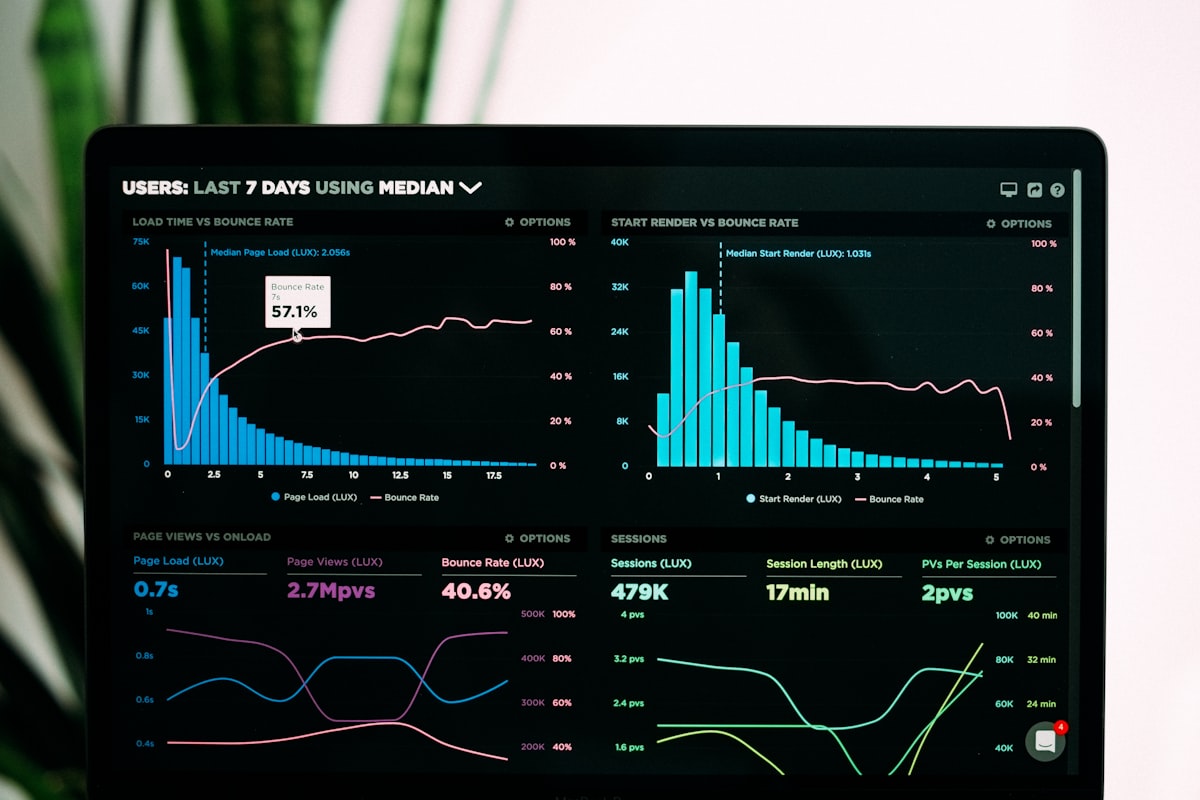
Candidates often confuse this chapter with results or with discussion. Results, in many handbooks, are the cleaned display of what was found. Discussion is what those findings mean. Analysis writing sits in the middle when the university wants the process visible: how codes were built, how variables were prepared, which cases were dropped, which tests were chosen after diagnostics, how themes were named.
Linking analysis to questions is the part that keeps the chapter from becoming a software tutorial. Each major analytic move should be readable as an attempt to answer something already promised in the introduction. If a technique does not serve a question, it is either a justification problem for the methods chapter or material that does not belong here.
Software can be mentioned where it was actually used. SPSS, R, NVivo, Python and similar tools are ordinary parts of contemporary research practice. They should appear as the environment in which a stated procedure was carried out. This service does not operate a branded analytics laboratory and does not claim ownership of those products. The scholar’s own working files remain the source of the analysis.
Writing assistance here is about structure, clarity and the integrity of the trail. Tables, codebooks and output you supply can be organised into a chapter a viva panel can follow. The assistance does not invent significant findings, and it does not guarantee that an examiner will accept the analytic choices.

What analysis-chapter support includes
The work stays on presentation and explanation of analysis you have already undertaken or are prepared to document.
- A chapter structure that follows research questions or analytic stages rather than software menus
- Narration of coding, theme development or statistical preparation in academic prose
- Display of tables, extracts or model summaries in the order a reader needs them
- Explicit links between each major analytic block and the question it addresses
- Plain-language explanation of what a test, model or coding decision was for
- Notes on missing data, excluded cases or discarded codes where those decisions matter
- Mention of tools already used in the project, without treating a package name as the finding
- Editing of a draft that currently pastes output with almost no connecting text
Who the analysis chapter is for
This help is for scholars who have analytic work in progress and need the chapter to show that work, not replace it.
- Quantitative researchers with output that has not yet been written as a narrative
- Qualitative researchers with codes and themes that still live in a project file
- Mixed-methods candidates who must show how the two strands were analysed before they are integrated
- Students whose supervisor asked to “see the analysis,” not only the polished results
- Writers who need to explain diagnostics, robustness checks or alternative specifications
- Anyone whose current draft reads like a software walkthrough rather than a thesis chapter
How an analysis chapter is shaped
The sequence starts from the questions and the files you already have, not from a preferred package.
Inventory the analytic materials
Codebooks, syntax, notebooks, matrices and draft tables are listed so the chapter only claims work that can be shown.
Choose the spine of the chapter
Headings are set by question, by variable family, by theme or by analytic stage — whichever lets a reader follow the study rather than the software.
Write the trail, then the display
Preparation steps and decision points are narrated before the table or extract appears, so the display has a reason to exist.
Keep interpretation in its place
The chapter explains what the analysis did. Broader meaning is flagged for discussion unless your handbook combines the two.
Name tools without advertising them
Software is cited as used. Version or package detail is included when it matters for replication, not as a capability claim.
Return the chapter to the questions
A closing section states which analytic work now allows each question to be answered in the results or discussion that follows.
Boundaries of analysis writing
Universities do not agree on whether analysis is a stand-alone chapter. Some want methods, analysis and results in three places; some fold analysis into methods; some go straight from method to results. The draft should use the heading scheme your faculty already uses. Forcing a separate analysis chapter into a handbook that forbids it only creates repetition.
There is a credibility line between presenting analysis and performing undisclosed analysis. Writing support organises and explains the work you document. It is not a hidden statistics bureau and not an NVivo shop operating under the thesis title. If further computation is needed, that remains your research work or a separately agreed technical task with its own description — never a substitute for authorship of the study.
Output dumps are not chapters. A screenshot of every menu, or a paste of every coefficient, usually hides the decisions that matter. Select the displays that answer the questions, and put the rest in appendices if the handbook allows it.
- Confirm whether your university wants a separate analysis chapter at all
- Do not treat a software brand as evidence of quality
- Keep claims inside what the files you share can support
Keeping analysis writing honest when software is involved
Software makes some procedures faster. It does not make a chapter true. Honesty in this context means that every displayed result can be traced to a step you can describe, and that discarded paths — a dropped item, a recoded variable, a theme that did not hold — are acknowledged when they affect the claim.
It also means the prose stays in the scholar’s register. “The data were analysed in SPSS” is a location. “Principal-axis factoring was used after KMO and Bartlett checks because the instrument was being examined as a correlated set of subscales” is an analysis sentence. The second sentence can mention the package; it does not depend on the package for its meaning.
The same standard applies to qualitative software. Importing transcripts into NVivo is not coding. The chapter should say how meaning units were defined, how categories moved, and how disagreements were handled. The file is a record of that work, not the work itself.
Related writing support
PhD Thesis Writing
Full-document support when the analysis chapter has to sit between method and results without repeating either.
Open pageMethodology Writing
The plan that this chapter should execute and make visible.
Open pageResults Writing
Objective display of findings after the analytic trail has been established.
Open pageDiscussion Writing
Interpretation of the findings this chapter has prepared, against prior research.
Open pageLiterature Review Writing
Prior work that often supplies the constructs and measures the analysis uses.
Open pageFrequently asked questions
Not always. Results usually display what was found. An analysis chapter, where it exists, shows how those findings were produced — coding, preparation, model choice, diagnostics. Some handbooks combine them. If yours does, the writing still needs both the trail and the display, just under one heading scheme.
Present the analysis more clearly
Share the questions, files and draft displays you already have. The chapter can then show how the analysis was done without turning into a software brochure.